In its 2023 Cryptocurrency Fraud Report, the FBI’s Internet Crime Complaint Center (IC3) estimated that losses with a cryptocurrency nexus totaled more than $5.6\$5.6$5.6 billion, based on complaints submitted to IC3. That number isn’t meant to scare you off crypto. It’s a clear signal that the safest crypto users tend to do one thing well: they move carefully, verify details, and keep basic records.
This guide is built for that kind of confidence you need after you learn how to buy cryptocurrency, often through platforms such as Binance, so we’ll cover the quick prep that makes withdrawals safer, a simple test transfer routine you can repeat, and the wallet habits that keep you steady long after the first send.
KYC’d, Calm and Carrying On
A smooth first transfer starts before you touch the Withdraw button, not because you need to be technical but because the account and platform you use decide how many avoidable problems you’ll face. If you’re reading this in India, there’s a practical compliance angle worth respecting: on 19 November 2025, the Government of India’s Press Information Bureau reported that FIU-IND issued notices to 25 offshore VDA service providers for non-compliance. For a beginner, the positive takeaway is straightforward: choose platforms that take compliance seriously, complete KYC properly and keep your transaction trail organised.
Now, about the wallet decision. Leaving crypto on an exchange can be convenient, especially early on, while moving it to a wallet gives you more direct control, which is exactly why the first transfer matters. That’s not a niche idea either. Binance Research’s Monthly Market Insights noted that corporate treasuries were holding 4.44M ETH (3.67% of supply), which is a useful reminder that custody is an operational topic even for large, conservative holders.
Before you transfer, do the boring setup once so you don’t have to think about it later: strong login security, 2FA and extra care that you’re using the real app and real site. Then decide where the crypto will land, whether that’s a self-custody wallet you control or a custody solution you trust and understand. It’s best to treat your wallet like a payment address book you’re building carefully, not like a destination you type out under pressure.
The 10-Minute Transfer
Once the prep is done, the transfer itself can be clean and calm. The goal isn’t speed. It’s making sure the network, address and amount are correct, every time. There’s also a reason you’ll see people start with stablecoins or well-supported assets for early transfers: the money movement use case is growing fast. Binance Research reported that USDe supply grew 43.5% in August to US$12.2B, reached US$10B in 536 days and captured 4% of the stablecoin market, which shows how quickly certain crypto rails can scale once users find them useful. When adoption accelerates like that, everyday skills like matching the right network and saving the transaction ID become more valuable than hot takes about price.
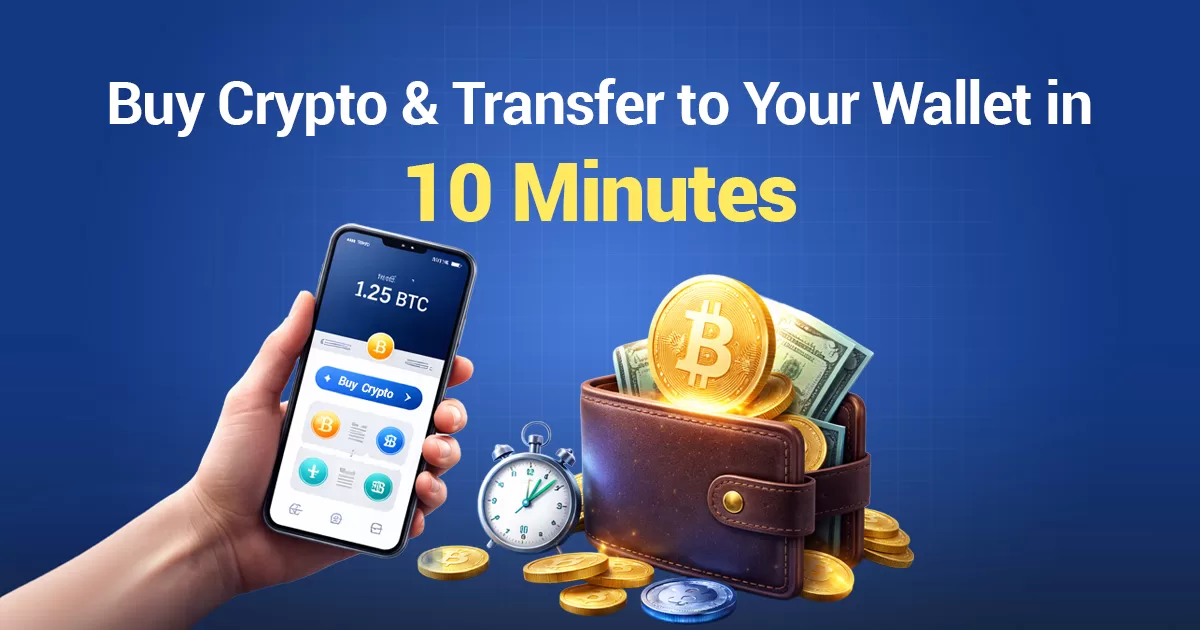
Here’s a practical routine for a first transfer that stays beginner-friendly while respecting how unforgiving blockchain transfers can be:
- Confirm the receiving wallet address and check whether the asset needs a memo/tag (some do).
- Match the network on the exchange with the network your receiving wallet supports for that asset.
- Send a small test amount first, then wait for it to arrive. Only after the test is successful, send the main amount.
- Save the basics in one place: date/time, asset, network, amount and the transaction hash (TXID).
This test first habit does something underrated: it gives you proof, in your own hands, that your address and network pairing is correct. A small extra that experienced users rely on is reducing mental load, so use a simple two-screen approach if you can: keep the exchange withdrawal page visible while you verify the wallet address and network details, so you’re not flipping back and forth and trusting memory. If you ever feel rushed, that’s your cue to pause. Transfers don’t reward urgency. They reward attention.
Your Wallet’s New House Rules
Moving crypto safely once is great. Keeping it safe after the move is what turns a first transfer into a repeatable skill you can trust. The FBI IC3 report is blunt about where the biggest harm tends to sit. In the 2023 Cryptocurrency Fraud Report, IC3 said crypto exploitation was most pervasive in investment scams, where losses accounted for almost 71% of all losses related to cryptocurrency. That’s why your wallet rules should include scam resistance, not just technical steps like copying an address correctly.
This is also where many beginners eventually get curious about on-chain apps. Binance Research reported that DeFi lending TVL jumped 72% in 2025, with Aave holding 54% market share, which suggests a lot of users go beyond buying and holding on an exchange over time. If you explore DeFi later, you’ll be glad you built wallet discipline early, because the habit of reading what you’re approving is the same habit that helps you avoid costly mistakes.
So what should your house rules look like in plain language? Protect your recovery phrase like it’s the key to everything (because it is), don’t store it in places that are easy to sync, share or screenshot and treat any support person asking for it as a clear red flag. Then build a calm verification habit that goes beyond the technical: check links, double-check usernames and don’t move funds because a stranger sounds confident. If one rushed click can’t be reversed on-chain, what’s the one check you’ll always do before sending or signing?
Confidence You Can Verify
A good first transfer isn’t about bravery. It’s about building a small routine you can repeat: prep your account, test before you send meaningful amounts, then keep your wallet rules simple and consistent.
The bigger picture is encouraging. As crypto use cases like stablecoins and on-chain finance grow, the ability to move valuable assets safely between an exchange and your wallet becomes a practical life skill, not an obscure trick. Do one small test transfer this week, save the TXID, and write down your checklist in plain language that makes sense to you. Because when you can verify your own steps, it is the best kind of confidence.